After Using This App for 3 Weeks, I Finally Stopped Stress-Eating at Night
Life gets overwhelming—work pressure, family demands, that never-ending to-do list. And when everything piles up, many of us reach for snacks without even realizing it. I did too, until I found a simple app that didn’t just track my meals, but actually understood why I was eating. It didn’t judge. It guided. With gentle reminders, breathing exercises, and smart meal planning, it helped me break the cycle of emotional eating. This isn’t about strict diets—it’s about mindfulness, one bite at a time. And honestly? It changed how I show up for myself and my family.
The Midnight Snack Trap: When Stress Overrides Willpower
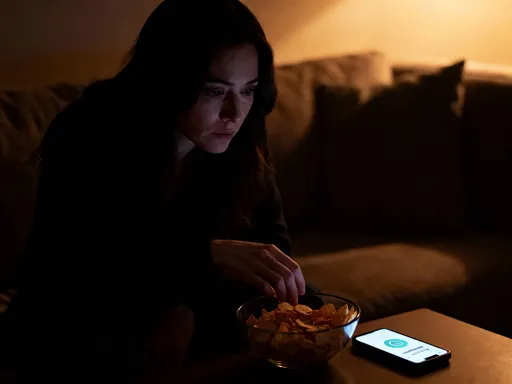
It starts quietly. The house is finally still. The kids are in bed, the dishes are done, and you sink into the couch, exhausted. Your mind is still racing—what you forgot to send at work, the birthday gift you didn’t buy, the way you snapped at your partner over something small. And then, almost without thinking, you’re in the kitchen. The fridge light flickers on. You’re not really hungry, but your hand reaches for the leftover pizza, the chocolate bar, the bag of chips that’s been sitting there since Tuesday. Sound familiar? This isn’t about hunger. This is emotional hunger—the kind that creeps in when stress, fatigue, or loneliness take over.
I used to think I just lacked willpower. I’d promise myself, ‘Tonight will be different,’ only to find crumbs on the couch at 10 p.m. again. I tried every diet app out there—calorie counters, macro trackers, even ones that told me exactly how much protein to eat. But none of them asked the real question: Why am I eating right now? They treated food like math, but my late-night snacking wasn’t a numbers problem. It was a feelings problem. And no amount of counting could fix that. What I needed wasn’t more rules. I needed awareness. I needed to pause—just for a moment—before giving in to the impulse.
That’s when I realized most diet tools are built for a different kind of hunger. They work if you’re genuinely hungry and just need structure. But emotional eating? That’s a whole different beast. It’s not about the body needing fuel. It’s about the mind needing comfort. And if your app doesn’t recognize that, it’s setting you up to fail. I wasn’t lazy. I wasn’t weak. I was just using the wrong tool for the job. What changed everything was finding an app that didn’t treat me like a data point—but like a person.
How Meditation Apps Became My Unexpected Diet Sidekick
I downloaded the app for sleep. That was my original goal—something to help me wind down after long days. I’d heard good things about meditation apps, so I gave one a try. I picked a popular one, not even looking for anything related to food or eating. But when I opened it that first night, I saw something unexpected: a short session called ‘Cravings: Pause Before You Eat.’ I remember thinking, ‘Huh. That’s oddly specific.’ Curious, I tapped it. It was only five minutes. A calm voice guided me through noticing my breath, checking in with my body, and asking one simple question: ‘What do I really need right now?’
That night, I didn’t eat anything after dinner. Not because I was trying to be ‘good,’ but because I finally had a moment to ask myself if I was actually hungry. And I wasn’t. The craving passed. The next night, I did it again. And the night after that. It wasn’t magic. But it was powerful. I started noticing patterns—how tired I felt after the kids’ activities, how my shoulders tensed when I was overwhelmed, how food had become my automatic response to all of it. The app didn’t tell me to stop eating. It just gave me space to choose.
What surprised me most was how quickly this small shift started to ripple into other parts of my life. I wasn’t just eating less at night—I was sleeping better, feeling calmer, even more present with my family. I realized that emotional eating wasn’t the root problem. It was a symptom. And meditation wasn’t just helping me eat differently—it was helping me live differently. The app became less about food and more about tuning in. It taught me that taking care of myself didn’t have to mean another chore on the list. Sometimes, it just meant pausing for three deep breaths.
Breathing Before Biting: A Simple Practice That Changed Everything
Here’s what I do now, almost every night: when I feel that familiar pull toward the kitchen, I stop. I don’t fight it. I don’t scold myself. I just open the app and tap a single button: ‘Pause & Breathe.’ It starts a 90-second guided exercise—just enough time to reset. The voice says, ‘Notice your breath. Feel your feet on the floor. What’s happening in your body right now?’ It sounds simple. But that tiny pause? It’s everything.
Before, my brain went straight from ‘I’m stressed’ to ‘I need food’ in less than a second. There was no space between the feeling and the action. Now, that breath creates space. And in that space, I can ask, ‘Am I hungry? Or am I just tired? Overwhelmed? Bored?’ More often than not, the answer isn’t food. Sometimes it’s a glass of water. Sometimes it’s a quick stretch. Sometimes it’s just sitting with the feeling for a minute, letting it pass like a wave.
The app even sends gentle notifications during my usual trigger hours—between 8 and 10 p.m. No alarms, no flashing red warnings. Just a soft chime and a message: ‘Need a moment? Try a breathing exercise.’ It feels like a friend checking in, not a taskmaster. And because it’s so quick and easy, I actually do it. I don’t have to set aside 30 minutes or sit cross-legged on the floor. I can do it standing in the kitchen, leaning against the counter, still in my yoga pants from the day.
What’s amazing is how this one habit has started to rewire my instincts. I used to think cravings were something to resist, like a battle. Now I see them as signals—my body’s way of saying, ‘Hey, something’s off.’ And instead of ignoring it with food, I can respond with care. That shift—from resistance to awareness—has made all the difference.
Meal Planning with Mindfulness: Eating with Purpose, Not Panic
One of the most helpful features of the app? It started suggesting meals—not based on calories, but on how I was feeling. Every evening, it would ask me to log my mood: stressed, calm, tired, energized. If I marked ‘stressed,’ it wouldn’t suggest a salad and call it a day. Instead, it might recommend something warm and comforting, like a bowl of lentil soup or baked sweet potatoes with cinnamon. It understood that when I’m overwhelmed, I don’t want rabbit food. I want to feel soothed. But it also made sure those comforting meals were nourishing, not just empty calories.
This was a game-changer. I stopped feeling guilty for wanting comfort. The app didn’t shame me for it. It worked with me. And because the meals felt satisfying, I wasn’t left searching for snacks later. I also started using the meal planner on Sunday nights, not just to save time, but to check in with how I wanted to feel during the week. If I knew Monday would be hectic, I’d prep something easy and grounding. If the kids had back-to-back activities, I’d make sure we had balanced, energy-sustaining meals ready.
What I love most is that this isn’t about perfection. Some nights, I still eat something simple—grilled cheese, toast with peanut butter. But now, I eat it mindfully. I sit down. I taste it. I enjoy it. No guilt. No hiding. Just eating, with intention. The app helped me shift from eating out of panic to eating with purpose. And that small change has made food feel less like the enemy and more like a part of my self-care.
Not Just Food: Building a Calmer, More Connected Daily Rhythm
The benefits didn’t stop at my eating habits. After a few weeks, I noticed other shifts. I was falling asleep faster. I wasn’t snapping at my kids over spilled milk. I had more patience with my partner. I even caught myself smiling more—just walking through the house, feeling present. It wasn’t that my life had gotten easier. The to-do list was still long. The laundry still piled up. But I was responding differently. I felt more grounded, more in control—not because I was doing more, but because I was pausing more.
The daily check-ins helped. Every morning, the app asked, ‘How are you feeling today?’ Just taking a moment to name it—‘tired,’ ‘hopeful,’ ‘overwhelmed’—helped me start the day with honesty. And every evening, a short gratitude reflection helped me end the day on a kind note. ‘One good thing that happened today…’ Sometimes it was big—my daughter’s hug, a work win. Sometimes it was small—hot coffee, a quiet moment. But naming it made it real.
These tiny moments of awareness added up. I wasn’t just managing stress better—I was connecting with my life more deeply. I started noticing the little things: the way sunlight hit the kitchen table in the morning, the sound of my son’s laugh, the relief of taking off my shoes at the end of the day. The app didn’t fix everything. But it gave me tools to show up more fully. And that made all the difference.
Why This Feels Different: No Shaming, No Numbers, Just Support
Let’s be honest—most health apps make you feel worse before they make you feel better. They track your calories, flag your ‘cheat meals,’ and remind you how far you are from your goal. They turn self-care into a report card. I’ve been there. I’ve deleted those apps in frustration, swearing I’d ‘try harder next time.’ But this one? It never made me feel bad. There were no red warnings. No guilt-tripping messages. No obsessive logging of every bite.
Instead, it celebrated small wins. ‘Nice job checking in with yourself today.’ ‘You’ve paused before eating three times this week—great awareness!’ It felt kind. Supportive. Like a friend who knows you’re doing your best. And that kindness made me want to keep going. I wasn’t trying to please an algorithm. I was learning to care for myself.
That’s the thing about real change—it doesn’t come from shame. It comes from compassion. When we’re gentle with ourselves, we’re more likely to stick with new habits. We’re more forgiving when we slip up. We see progress, not perfection, as the goal. This app didn’t just teach me to eat differently. It taught me to talk to myself differently. And that shift—from criticism to kindness—has been the most powerful part of the whole journey.
A New Normal: How Small Tech Habits Lead to Lasting Change
It’s been three months now. I still use the app almost every day. Not because I have to, but because I want to. It’s become part of my routine—like brushing my teeth or making my morning coffee. The late-night snacking? It’s rare now. Not because I’m ‘disciplined,’ but because I have better tools. When cravings come, I pause. I breathe. I check in. And more often than not, I choose something that truly nourishes me—whether it’s food, rest, or just a moment of stillness.
I have more energy. I feel lighter—not just in body, but in spirit. I’m more patient. More present. More like the version of myself I’ve always wanted to be. And the best part? I didn’t have to lose weight or hit a number on the scale to feel this way. I just had to learn to listen.
This journey wasn’t about willpower. It wasn’t about restriction. It was about support. About having a simple tool that helped me understand myself a little better. Technology often gets a bad rap—like it’s making us more distracted, more disconnected. But this? This is tech at its best. It’s not replacing human connection. It’s enhancing self-connection. It’s putting a little more peace, a little more clarity, a little more kindness into my everyday life.
If you’re tired of fighting with food, of feeling guilty, of starting over every Monday—know this: you don’t have to white-knuckle your way to change. You just need the right kind of support. And sometimes, that support fits right in your pocket. All it takes is one breath. One pause. One moment of asking, ‘What do I really need right now?’ The answer might surprise you. And your life—your real, messy, beautiful life—might just feel a little lighter because of it.