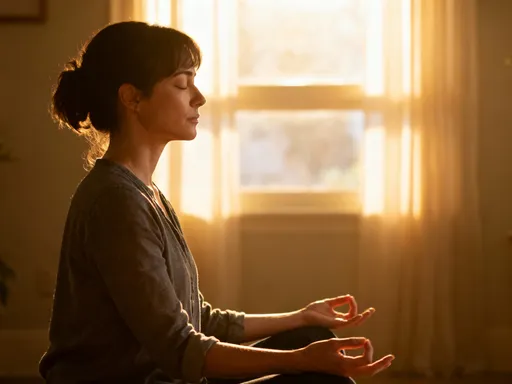
How I Tamed My Stress in Just 5 Minutes a Day—And Changed Everything
Stress used to own my life—racing thoughts, sleepless nights, constant overwhelm. But what if you could reclaim calm in just minutes? I discovered small, science-backed shifts that reshaped my days. No magic, no hype—just real, doable steps that fit into any routine. This isn’t about fixing everything at once. It’s about choosing tiny wins that add up to a better life. Let me show you what actually worked.
The Hidden Cost of Daily Stress (And Why We Ignore It)
Many people wear stress like a badge of honor, mistaking busyness for productivity and exhaustion for dedication. Yet beneath the surface, chronic low-grade stress quietly undermines physical health, emotional balance, and mental clarity. It’s not always dramatic—no heart attacks or breakdowns—but the toll accumulates in subtle ways: trouble focusing by mid-afternoon, digestive discomfort after meals, or lying awake at night replaying conversations. These are not just inconveniences; they are signals from the body that the nervous system is stuck in a prolonged state of alert.
The human stress response, known as the “fight-or-flight” mechanism, evolved to protect us from immediate physical threats—like predators or danger. When activated, the body releases cortisol and adrenaline, increasing heart rate, sharpening focus, and redirecting energy to muscles. This reaction is lifesaving in emergencies. But when it’s triggered repeatedly by modern stressors—tight deadlines, family responsibilities, financial worries—it becomes harmful. The body doesn’t distinguish between a looming work presentation and a real threat; it responds the same way. Over time, this constant activation wears down vital systems, weakening immunity, disrupting sleep cycles, and increasing the risk of chronic conditions such as hypertension and anxiety disorders.
What makes daily stress so dangerous is its invisibility. Because it’s often mild and persistent, it fades into the background of life. Women in their 30s to 55s, especially those balancing careers, parenting, and household management, may dismiss their fatigue or irritability as normal. They tell themselves they’ll rest “later,” but later rarely comes. This normalization of stress prevents intervention. The truth is, stress is not a sign of strength—it’s a call for self-care. Recognizing it early, before it escalates, is the first step toward reclaiming control. Small moments of tension, when ignored, compound into larger health challenges. But the good news is that even minor adjustments can interrupt this cycle and begin restoring balance.
The Myth of “More Time” for Self-Care
One of the most common reasons people avoid stress management is the belief that it requires too much time. Many imagine self-care as long meditation sessions, hour-long yoga classes, or weekend retreats—luxuries that feel out of reach for someone juggling school drop-offs, work meetings, and dinner preparations. This perception creates a false barrier: if you can’t dedicate an hour, why bother with five minutes? As a result, stress relief gets postponed indefinitely, labeled as something for “when life slows down.” But life rarely slows down, and waiting for the perfect moment means never starting at all.
Science now shows that brief, consistent practices can be just as effective—if not more so—than longer, infrequent ones. Studies on mindfulness and relaxation techniques reveal that even 60 to 300 seconds of intentional breathing or grounding can lower cortisol levels, reduce perceived stress, and improve emotional regulation. The key is regularity, not duration. Think of it like brushing your teeth: you don’t spend an hour doing it once a week; you spend two minutes twice a day. The same principle applies to mental wellness. Micro-practices—short, focused actions done daily—create lasting change through repetition, not intensity.
The shift in mindset is crucial: instead of waiting for large blocks of time, look for natural pauses in your day. These are the in-between moments—waiting for the kettle to boil, standing in line at the grocery store, or sitting in the car before driving home. These fragments, often dismissed as unproductive, are ideal opportunities for a stress reset. By anchoring small techniques to existing habits, such as taking three deep breaths after washing your hands or doing a quick stretch after sitting down, you weave wellness into your routine without adding extra tasks. This approach removes the pressure of “finding time” and makes self-care sustainable, even on the most chaotic days.
Breathe Like a Pro: The 4-7-8 Method That Actually Works
Among the simplest and most powerful tools for calming the nervous system is controlled breathing. Unlike medications or apps, it’s free, always available, and requires no special equipment. One technique that has gained widespread recognition for its effectiveness is the 4-7-8 breathing method, developed by Dr. Andrew Weil. It follows a precise rhythm: inhale through the nose for a count of four, hold the breath for seven seconds, then exhale slowly through the mouth for eight counts. Repeating this cycle four times takes less than two minutes, yet the effects can be profound.
This method works by activating the parasympathetic nervous system—the body’s “rest and digest” mode. When you extend the exhale, particularly beyond the inhale, it sends a signal to the brain that danger has passed, prompting a decrease in heart rate and muscle tension. The seven-second hold allows oxygen to fully circulate, enhancing the calming effect. Over time, regular practice can increase heart rate variability, a marker of resilience and emotional stability. Research from Harvard Medical School supports that paced breathing techniques like this one can reduce symptoms of anxiety, improve sleep quality, and enhance focus.
Integrating the 4-7-8 method into daily life is straightforward. You might use it first thing in the morning to set a calm tone for the day, or right before bed to ease into sleep. It’s especially helpful during moments of emotional intensity—after a disagreement, before a difficult conversation, or when feeling overwhelmed by tasks. One mother of two reported using it in her car while waiting to pick up her children from school; she noticed a significant drop in afternoon irritability within a week. Another woman practiced it during commercial breaks while watching evening TV and found herself falling asleep faster. The beauty of this technique lies in its simplicity and accessibility. You don’t need to be alone or in silence—though a quiet space helps initially. With practice, it becomes a reliable tool you can summon anytime, anywhere, to regain composure.
Grounding in Chaos: The 5-4-3-2-1 Sensory Reset
When thoughts spiral out of control—ruminating on past mistakes or fearing future outcomes—the mind disconnects from the present. This mental time travel fuels anxiety and makes it difficult to think clearly. Grounding techniques bring awareness back to the here and now, using the five senses to anchor the mind in physical reality. One of the most effective is the 5-4-3-2-1 method: name five things you can see, four you can touch, three you can hear, two you can smell, and one you can taste. This exercise doesn’t eliminate stress, but it creates a pause—a mental reset button that interrupts the cycle of overthinking.
The science behind grounding lies in how the brain processes sensory input. When you focus on concrete, immediate sensations, you shift activity from the amygdala—the brain’s fear center—to the prefrontal cortex, which governs rational thought. This reduces the intensity of emotional reactions and creates space to respond rather than react. Therapists often teach this method to clients experiencing panic attacks or high anxiety because it’s fast, discreet, and doesn’t require any tools. You can do it while sitting at your desk, standing in a grocery line, or lying in bed. It’s especially useful when you feel disconnected, numb, or emotionally flooded.
Let’s say you’re in the middle of a stressful workday. Emails are piling up, your to-do list feels endless, and your chest tightens with pressure. Instead of pushing through, pause and begin: Five things I see—my coffee mug, the plant on the shelf, the clock, my notebook, the window. Four things I can touch—my sweater, the chair arm, my glasses, the pen in my hand. Three things I hear—the hum of the computer, distant traffic, my own breath. Two things I smell—freshly brewed coffee, my hand lotion. One thing I taste—the lingering mint from my toothpaste. Within a minute, your breathing slows, your shoulders drop, and your mind clears. This isn’t magic; it’s neuroscience. By engaging the senses, you remind your body that you are safe, present, and in control. With regular use, this technique becomes a reflex, a way to regain stability before stress escalates.
Movement Snacks: Why 60 Seconds of Stretching Beats an Hour of Regret
Physical tension and mental stress are deeply connected. When the mind feels pressure, the body often responds by tightening—jaw clenched, shoulders raised, back stiff. Over time, this postural stress becomes habitual, leading to chronic pain and fatigue. Yet many people overlook the body’s role in emotional regulation, focusing only on thoughts and feelings. Movement, even in tiny doses, can release stored tension and signal safety to the brain. These brief physical resets, sometimes called “movement snacks,” are not workouts. They are intentional micro-moments of release that prevent the buildup of physical stress.
Consider the common areas where stress accumulates: the neck, shoulders, and lower back. Sitting for long periods—whether at a desk, in a car, or on the couch—exacerbates this tension. A single minute of targeted stretching can make a noticeable difference. For example, neck rolls help release tight muscles at the base of the skull. Slowly drop your right ear toward your right shoulder, hold for a few seconds, then switch sides. Add a gentle backward tilt and forward bend to complete the sequence. Another effective move is the seated spinal twist: sit tall, place your right hand on the outside of your left knee, and gently twist to the left, using your left hand on the chair for leverage. Hold for 15–20 seconds, then switch. Finally, shoulder releases involve rolling the shoulders forward and backward in slow, deliberate circles, followed by shrugging them up toward the ears and releasing down with a sigh.
These movements do more than ease physical discomfort—they influence mood. Research published in the Journal of Clinical Psychology found that brief stretching routines significantly reduced perceived stress and improved mood in adults. The act of moving signals to the brain that the body is not under threat, helping to deactivate the stress response. Moreover, the focus required to perform these stretches mindfully creates a mini-meditation, pulling attention away from worries and into the body. You don’t need special clothing or space. Do them at your desk, during a phone call, or while waiting for the microwave. The key is consistency: one minute, two or three times a day, can prevent the cumulative strain that leads to headaches, fatigue, and irritability. Over time, these small acts of care build resilience, making you less reactive to daily stressors.
Digital Boundaries That Protect Your Peace
In today’s world, one of the biggest sources of chronic stress is digital overload. Smartphones, tablets, and computers deliver a constant stream of notifications—emails, messages, news alerts—that keep the brain in a state of hyper-vigilance. Each ping triggers a micro-stress response, as the brain interprets the alert as a potential demand or threat. Over time, this low-level anxiety becomes the baseline, making it harder to relax or focus. For women managing households and careers, the pressure to stay connected can feel inescapable. But just as you set boundaries for your time and energy, you can—and should—set boundaries for your devices.
Creating digital boundaries doesn’t mean giving up technology. It means using it intentionally, rather than letting it use you. Start by turning off non-essential notifications. Do you really need an alert for every social media like or promotional email? Likely not. Disable these in your settings to reduce mental clutter. Next, establish “do not disturb” windows—perhaps during dinner, the hour before bed, or the first 30 minutes after waking. Use your phone’s scheduling feature to silence notifications automatically. This protects your focus and gives your nervous system a chance to rest.
Another powerful step is creating phone-free zones. The bedroom is a prime candidate. Charging your phone outside the bedroom eliminates the temptation to check it during the night or first thing in the morning—two critical times for mental reset. Instead, use a traditional alarm clock. Similarly, consider making meal times screen-free. This encourages presence, improves digestion, and strengthens family connections. If you work from home, designate a specific area for your devices and step away from it during breaks. These small changes add up, reducing the constant low-grade stress that digital noise creates. Over time, you’ll notice greater mental clarity, improved sleep, and a deeper sense of calm. Technology should serve you, not sabotage your peace.
Building Your 5-Minute Stress Shield: A Realistic Routine
Now that you’ve explored several science-backed techniques, the next step is integration. The goal is not to add another task to your to-do list, but to create a seamless, five-minute daily routine that fits naturally into your life. Think of it as a stress shield—a personalized combination of micro-practices that you can rely on every day. Consistency matters more than perfection. Even if you miss a day, returning to the routine is what builds lasting resilience.
Start by choosing two or three techniques that resonate most with you. For example, you might pair the 4-7-8 breathing with the 5-4-3-2-1 grounding method and one movement snack. Then, anchor them to existing habits. Try this sequence: after brushing your teeth in the morning, stand in front of the mirror and do one round of 4-7-8 breathing. At lunchtime, before eating, take a moment to ground yourself using the 5-4-3-2-1 method—this also enhances mindful eating. In the afternoon, when energy dips, stand up and do 60 seconds of neck rolls and shoulder releases. Before bed, repeat the breathing exercise to signal to your body that it’s time to wind down.
The beauty of this approach is its flexibility. If mornings are rushed, move your breathing practice to the evening. If you forget during the day, use a simple reminder—like a sticky note on your computer or a notification labeled “Pause & Breathe.” Over time, these actions become automatic, like locking the door or setting the thermostat. You’re not aiming for dramatic transformation overnight; you’re building a foundation of small, sustainable habits that collectively reduce your stress baseline. And remember, if stress feels overwhelming despite your efforts, seeking support from a licensed therapist or healthcare provider is a sign of strength, not failure. Professional guidance can offer additional tools and perspective.
The real power of this five-minute practice lies in its compounding effect. Each day, you’re teaching your nervous system that you are safe, that you can pause, that you matter. These moments of care add up, reshaping your relationship with stress. You begin to respond with awareness instead of reactivity, with calm instead of chaos. It’s not about eliminating pressure—life will always have demands—but about building the inner strength to meet them with balance and clarity.
Managing stress doesn’t require drastic change—just small, smart choices repeated daily. These quick practices aren’t about eliminating pressure but building resilience. Over time, they improve focus, sleep, and emotional balance, lifting overall quality of life. The real win isn’t a stress-free life—it’s the power to respond with calm, no matter what comes. Start small. Stay consistent. Watch the shift happen.