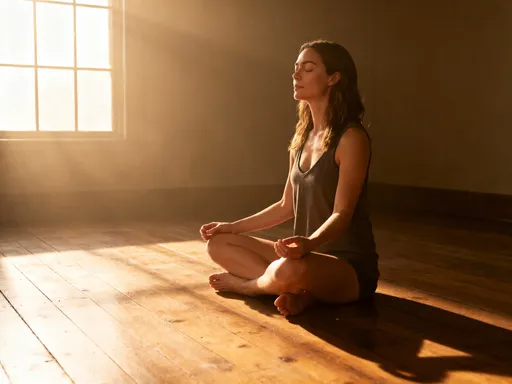
How I Fixed My Digestion with These 3 Simple Moves
Ever feel bloated, sluggish, or just *off* after meals? I did—daily. For years, I blamed my diet, stress, even sleep. But nothing changed until I discovered how deeply exercise impacts digestion. It’s not just about crunches or cardio. Specific movements can actually help your gut move food smoothly, reduce discomfort, and boost overall digestive health. This isn’t magic—it’s science. And once I started, the difference was real. What I learned transformed not only my digestion but also my energy, mood, and confidence in managing my body’s needs. The best part? These solutions don’t require a gym membership, expensive supplements, or drastic lifestyle changes. They’re rooted in simple, accessible actions that work with your body’s natural rhythms. Let’s explore how movement—gentle, intentional, and consistent—can become one of your most powerful tools for better digestive health.
The Gut-Exercise Connection: Why Movement Matters
Digestion is not a passive process. While food breakdown begins in the mouth and continues through enzymatic action in the stomach and intestines, the physical movement of food through the digestive tract relies heavily on muscular contractions known as peristalsis. These rhythmic waves push food along the gastrointestinal (GI) tract, ensuring nutrients are absorbed and waste is efficiently eliminated. Physical activity plays a direct role in stimulating these contractions. When you move your body, especially through rhythmic or gentle motions, you activate the muscles surrounding the digestive organs, encouraging smoother transit. This is particularly important for individuals who experience slow digestion, bloating, or occasional constipation.
Beyond mechanical stimulation, movement enhances blood flow to the abdominal region. Improved circulation delivers more oxygen and nutrients to the gut lining, supporting optimal function of the digestive organs. It also aids in the removal of metabolic waste and inflammatory byproducts, reducing the likelihood of irritation or discomfort. Research has consistently shown that even low-intensity physical activity can significantly improve GI motility. A study published in the *Scandinavian Journal of Gastroenterology* found that individuals who engaged in regular walking experienced faster gastric emptying times and reported fewer symptoms of indigestion compared to sedentary counterparts.
Another key player in this connection is the enteric nervous system—often referred to as the “second brain” of the gut. This complex network of neurons lines the digestive tract and controls many aspects of digestion independently of the central nervous system. Exercise has been shown to positively influence the communication between the brain and the gut, enhancing the coordination of digestive processes. Gentle movement can help regulate the release of digestive hormones and reduce the overactivity of the stress response, which often disrupts normal gut function.
Despite these benefits, many people misunderstand the type of exercise needed to support digestion. There is a common misconception that only intense workouts—like high-intensity interval training or heavy strength training—can make a meaningful difference. In reality, for digestive health, consistency and gentleness matter far more than intensity. Overly strenuous exercise, especially immediately after eating, can actually divert blood flow away from the digestive organs and slow down the process. The goal is not to exhaust the body but to gently activate it. Simple, repetitive movements that engage the core and promote circulation are often the most effective. These include walking, light stretching, and mindful breathing—all accessible to most people regardless of fitness level.
The Problem: Modern Life vs. Digestive Health
Modern lifestyles have created an environment that is often hostile to healthy digestion. Many adults spend the majority of their waking hours sitting—whether at a desk, in a car, or on a couch. Prolonged sitting reduces overall muscle activity, including the subtle contractions needed for efficient digestion. Without regular movement, the digestive tract can become sluggish, leading to delayed gastric emptying, gas buildup, and discomfort. This is especially noticeable after meals, when a person might feel heavy, bloated, or fatigued instead of energized.
Stress is another major contributor to poor digestive function. The body’s stress response, governed by the sympathetic nervous system, prioritizes survival over digestion. When stressed, blood flow is redirected from the gut to the muscles and brain, slowing down digestive processes. Chronic stress can lead to long-term imbalances in gut motility, contributing to conditions like irritable bowel syndrome (IBS) or functional dyspepsia. Even everyday stressors—such as work deadlines, family responsibilities, or financial concerns—can subtly impair digestion over time.
Irregular eating patterns further compound the issue. Skipping meals, eating quickly, or consuming large portions late at night disrupts the body’s natural digestive rhythm. The gut thrives on consistency. When meals are unpredictable, the digestive system struggles to prepare the right enzymes and acids at the right time, leading to inefficient breakdown and absorption of food. This can result in bloating, heartburn, or alternating episodes of constipation and loose stools.
Many women in the 30–55 age range face unique challenges in this area. They often juggle multiple roles—caregiver, professional, household manager—leaving little time or energy for self-care. As a result, digestive discomfort is frequently dismissed as “just part of life” or attributed to aging. Some may turn to over-the-counter remedies or restrictive diets, hoping for relief. While dietary adjustments can help, they are often insufficient without addressing the physical inactivity that underlies many digestive issues. The truth is, no amount of superfoods or probiotics can fully compensate for a sedentary lifestyle. Movement is not an optional add-on—it is a foundational element of digestive health.
Movement That Works: The 3 Key Exercises for Better Digestion
The good news is that improving digestion through movement doesn’t require a complete fitness overhaul. Three specific types of gentle exercise—walking, twisting, and core engagement—have been shown to directly support digestive function. Each of these movements targets a different aspect of the digestive process, from stimulating intestinal flow to regulating intra-abdominal pressure. Best of all, they are low-impact, require no special equipment, and can be easily integrated into daily routines, even for those with limited time or mobility.
Walking is perhaps the most accessible and well-researched form of movement for digestion. Its rhythmic nature gently jostles the internal organs, encouraging the movement of food through the intestines. Unlike high-impact activities, walking does not create excessive jarring or pressure, making it ideal for use shortly after meals. Studies have shown that even a brief walk can enhance gastric motility and reduce post-meal bloating. It also helps regulate blood sugar levels, which in turn supports balanced energy and reduces the risk of insulin-related digestive discomfort.
Twisting motions, such as those found in yoga or gentle stretching routines, provide a different kind of benefit. When the spine rotates, it creates a massaging effect on the abdominal organs, including the stomach, intestines, and liver. This gentle compression and release can help move trapped gas, stimulate bile flow, and encourage peristalsis. Twists are particularly helpful for individuals who experience a feeling of fullness or sluggishness in the midsection. Because they can be performed seated or lying down, they are suitable for people with joint sensitivities or limited balance.
Core engagement exercises, including diaphragmatic breathing and pelvic tilts, work on a deeper level by improving the tone and coordination of the muscles involved in digestion. The diaphragm, a large dome-shaped muscle beneath the lungs, plays a crucial role in abdominal pressure regulation. When it moves properly during deep breathing, it creates a pumping action that supports intestinal movement. Similarly, activating the transverse abdominis—the deepest layer of abdominal muscles—helps maintain healthy intra-abdominal pressure, which is essential for efficient bowel function. These exercises may seem subtle, but their cumulative effect on digestive health is significant.
What makes these three movements especially effective is their synergy. When combined, they create a comprehensive approach to digestive support: walking promotes overall motility, twisting aids in organ circulation, and core engagement optimizes internal pressure and muscle coordination. The key to success is not perfection but consistency. Practicing these movements daily, even for just a few minutes at a time, can lead to noticeable improvements in how you feel after eating.
Walk It Out: Why a 10-Minute Stroll Beats Lying Down
One of the simplest yet most powerful habits for better digestion is taking a short walk after meals. While it may be tempting to sit or lie down after eating—especially during a busy day—this can actually slow down the digestive process. Gravity and movement both play roles in helping food move from the stomach into the small intestine. When you remain upright and active, gastric emptying occurs more efficiently, reducing the likelihood of bloating, acid reflux, or discomfort.
Research supports this practice. A study published in *Diabetes Care* found that walking for 15 minutes after each meal was more effective at lowering postprandial blood glucose levels than walking for 45 minutes at another time of day. Stable blood sugar means less insulin fluctuation, which in turn reduces inflammation and digestive stress. Another study in the *Journal of Gastroenterology and Hepatology* reported that post-meal walking significantly reduced symptoms of functional dyspepsia, including early satiety and upper abdominal discomfort.
The ideal post-meal walk is gentle and relaxed. A pace of about 2.5 to 3 miles per hour—slightly faster than a casual stroll—is sufficient to stimulate digestion without overexertion. The duration can be as short as 10 minutes, making it feasible even for those with tight schedules. The timing is also important: waiting 10 to 15 minutes after eating allows the stomach to begin processing food before movement begins. This short delay prevents discomfort while still capturing the benefits of early activity.
Fitting walking into daily life doesn’t require major changes. Simple strategies include parking farther from store entrances, taking the stairs instead of the elevator, or walking around the house while on a phone call. For those who work from home, a brief loop around the backyard or hallway after lunch can make a difference. Families can turn post-dinner walks into a shared ritual, combining connection and health. The goal is not to achieve a fitness milestone but to reintroduce gentle motion into a sedentary routine. Over time, this small habit can lead to fewer digestive complaints, improved energy, and a greater sense of well-being.
Twist to Release: The Power of Gentle Spinal Rotation
Gentle twisting movements are a cornerstone of many traditional healing practices, from yoga to physical therapy, and for good reason. When performed correctly, spinal twists apply subtle pressure to the abdominal cavity, massaging the digestive organs and encouraging the movement of food and gas through the intestines. This can be especially helpful for individuals who struggle with bloating, constipation, or a feeling of heaviness after eating.
One of the most accessible twisting exercises is the seated spinal twist. To perform it, sit on the floor or a sturdy chair with both feet flat on the ground. Inhale to lengthen the spine, then exhale as you gently rotate your torso to one side, placing your right hand on the outside of your left thigh and your left hand behind you for support. Hold the position for 20 to 30 seconds, breathing deeply, then switch sides. This movement stretches the muscles of the back and abdomen while creating a wringing effect on the internal organs, promoting circulation and lymphatic drainage.
Another effective option is the supine twist, performed lying on the back. Begin by lying flat with arms extended out to the sides in a T-position. Bend your knees and slowly lower them to one side while keeping your shoulders in contact with the floor. Turn your head in the opposite direction to enhance the spinal rotation. This version is particularly gentle on the lower back and is ideal for those with limited mobility or joint concerns. It can be done before bed to support overnight digestion or upon waking to stimulate morning bowel activity.
The benefits of twisting extend beyond immediate relief. Regular practice can improve spinal flexibility, which in turn supports better posture and diaphragmatic breathing—both of which contribute to healthy digestion. Twists also help release tension in the muscles surrounding the gut, which can become tight due to stress or poor posture. This muscular relaxation allows the digestive organs to function with less restriction.
It’s important to approach twisting with care. These movements should never cause pain or strain. The focus should be on slow, controlled motion and deep breathing rather than achieving a deep rotation. Individuals with spinal injuries, herniated discs, or recent abdominal surgery should consult a healthcare provider before beginning any twisting routine. For most people, however, gentle spinal rotation is a safe and effective way to support digestive comfort and regularity.
Engage Your Core: Breathing and Activation for Gut Support
Core engagement is often associated with fitness and appearance, but its role in digestive health is equally important. The core muscles—including the diaphragm, transverse abdominis, pelvic floor, and obliques—work together to regulate intra-abdominal pressure, support organ function, and facilitate bowel movements. When these muscles are weak or poorly coordinated, digestion can become inefficient, leading to bloating, straining, or incomplete evacuation.
Diaphragmatic breathing, also known as belly breathing, is one of the most effective ways to activate the core and support digestion. Unlike shallow chest breathing, which is common during stress, diaphragmatic breathing involves deep inhalations that expand the belly. As the diaphragm descends, it applies gentle pressure to the abdominal organs, stimulating movement in the intestines. This rhythmic pressure acts like a pump, aiding in the transit of food and waste. Practicing deep breathing for just five minutes a day can enhance gut motility and reduce stress-related digestive symptoms.
To practice diaphragmatic breathing, lie on your back with knees bent or sit comfortably in a chair. Place one hand on your chest and the other on your abdomen. Inhale slowly through your nose, allowing your belly to rise while keeping your chest still. Exhale fully through your mouth, drawing your navel toward your spine. Repeat for several cycles, focusing on slow, even breaths. This technique can be done before meals to prepare the digestive system or after meals to support relaxation and processing.
In addition to breathing, simple core activation exercises like pelvic tilts and abdominal bracing can strengthen the muscles that support digestion. A pelvic tilt involves lying on your back with knees bent and gently rocking the pelvis to flatten the lower back against the floor. This movement engages the deep abdominal muscles and improves pelvic alignment, which can enhance bowel function. Abdominal bracing, where you gently tighten the lower abdominal muscles as if preparing for a light cough, helps build endurance in the core without strain.
These exercises may seem minor, but their cumulative effect is profound. Over time, improved core strength and coordination lead to better posture, reduced abdominal pressure, and more efficient digestion. They are especially beneficial for women who have experienced pregnancy, as childbirth can weaken the pelvic floor and abdominal wall. By retraining these muscles, it’s possible to restore digestive comfort and confidence.
Building a Routine: Making Digestive Movement Stick
Knowing which movements help digestion is only the first step. The real challenge lies in making them a consistent part of daily life. The good news is that these exercises don’t require long sessions or special equipment. A sustainable routine can be built around small, intentional actions woven into existing habits. The key is to start small, focus on consistency, and choose activities that feel enjoyable rather than burdensome.
A sample daily plan might include: a 10-minute walk after breakfast, a few minutes of seated twists during a mid-morning break, diaphragmatic breathing before lunch, another short walk after dinner, and a supine twist before bed. This sequence takes less than 30 minutes total and addresses digestion at multiple points throughout the day. Each movement serves a purpose—morning activity stimulates bowel function, post-meal walks aid digestion, and evening practices promote relaxation and overnight transit.
For those with busy schedules, integrating movement into existing routines can remove the barrier of time. For example, practicing deep breathing while waiting for the kettle to boil, doing a gentle twist while watching the news, or walking during phone calls can make a meaningful difference without adding extra tasks. The goal is not to achieve perfection but to build awareness and intention around movement.
Common obstacles include lack of motivation, fatigue, or uncertainty about how to begin. To overcome these, it helps to set specific, achievable goals—such as “walk after three meals this week” or “practice breathing for five minutes each morning.” Tracking progress in a journal or using a habit-tracking app can provide encouragement. Pairing the new habit with an existing one—like brushing teeth or making tea—can also improve adherence through habit stacking.
It’s also important to listen to your body. Some days will feel easier than others, and that’s okay. The goal is long-term consistency, not daily perfection. Over time, many women report not only improved digestion but also increased energy, better sleep, and a greater sense of control over their health. These movements become less of a chore and more of a self-care ritual—a quiet moment to reconnect with the body and support its natural wisdom.
Improving digestion doesn’t always mean overhauling your diet or taking supplements. Often, it’s about moving your body in smarter, gentler ways. The three exercises—walking, twisting, and core engagement—are simple, science-backed tools that support your gut naturally. When practiced consistently, they can reduce discomfort, boost energy, and improve your overall well-being. Your digestive health is deeply connected to your lifestyle. And sometimes, the best remedy isn’t a pill—it’s a step, a stretch, or a breath away. Always consult a healthcare provider before starting new routines, especially with existing conditions.