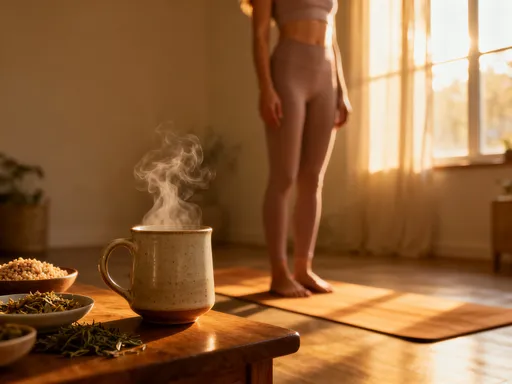
Glow From Within: How Clear Skin and Calm Mind Found Me
You’ve probably felt it—that frustrating cycle where breakouts spike just when stress hits hardest. I did too, until I realized skincare isn’t just about what you put on your face. True radiance comes from balancing your mind and body. When I shifted from chasing quick fixes to nurturing psychological calm, my skin responded in ways no cream ever did. It wasn’t magic—just science, consistency, and self-awareness working together. What began as a personal struggle with persistent blemishes and emotional fatigue turned into a deeper understanding: the skin is not an isolated organ, but a mirror of internal well-being. This journey wasn’t about perfection; it was about presence, patience, and recognizing that real beauty emerges not from concealment, but from alignment.
The Skin-Mind Connection: More Than Just Acne and Anxiety
The face often tells a story before the voice has a chance to speak. Redness, breakouts, dry patches—these are not random flaws, but signals. Science now confirms what many have long suspected: emotional stress and skin health are deeply intertwined. This connection is not merely psychological; it is biological, rooted in the shared pathways of the nervous, immune, and endocrine systems. When a person experiences stress, the body releases cortisol, a hormone designed to help manage challenges. However, when cortisol levels remain elevated over time, it triggers a cascade of physiological responses—including increased sebum production and systemic inflammation—both of which are key contributors to acne, rosacea, and eczema flare-ups.
What makes this relationship particularly significant is its visibility. While internal imbalances might go unnoticed for weeks or months, they often manifest on the skin within days. This makes the skin a unique diagnostic tool—one that reflects emotional turbulence long before other symptoms arise. The emerging field of psychodermatology bridges dermatology and psychology, recognizing that treating skin conditions effectively often requires addressing mental and emotional health. Studies have shown that patients with chronic skin disorders who also receive cognitive behavioral therapy or mindfulness training report not only improved emotional well-being but also measurable reductions in skin inflammation and lesion counts. This is not coincidence; it is evidence of the body’s integrated nature.
Furthermore, the skin itself contains nerve endings and immune cells that respond directly to emotional states. For example, the sudden flush of embarrassment or the tightening of the face during anxiety are immediate physiological reactions. Over time, repeated emotional stress can weaken the skin’s barrier function, making it more vulnerable to irritants and infections. This creates a feedback loop: poor skin leads to self-consciousness, which increases stress, which worsens the skin. Breaking this cycle requires more than topical treatments—it demands a shift in how we understand health itself. True care must include not only cleansers and serums but also sleep, emotional regulation, and daily habits that support nervous system balance.
My Breaking Point: When Skincare Routines Failed Me
For years, I believed the solution to clearer skin was found in a bottle. My bathroom cabinet overflowed with serums, toners, spot treatments, and exfoliants—each promising transformation, each failing to deliver lasting results. I followed elaborate 10-step routines, rotated active ingredients religiously, and avoided foods I thought were triggers. Yet, no matter how disciplined I was, my skin remained unpredictable. Breakouts appeared before important meetings, during family gatherings, at moments when I wanted to feel confident but instead felt exposed.
The emotional toll was heavier than the physical discomfort. I began to associate my reflection with disappointment. I avoided photos, canceled plans, and spent mornings applying layers of concealer, hoping to hide what I saw as a flaw. The irony was not lost on me: the more I focused on fixing my skin, the more it seemed to deteriorate. My obsession had become its own source of stress. I was chasing perfection while neglecting the very foundation of health—my mental and emotional equilibrium.
The turning point came during a particularly difficult week. Work demands peaked, sleep was minimal, and my skin erupted in angry cysts along my jawline. I stood in front of the mirror, exhausted, and asked myself a simple question: What if I’ve been treating the wrong problem? That moment of clarity led me to explore beyond skincare labels and into the science of holistic health. I began reading about the gut-skin connection, the impact of cortisol, and the role of inflammation. I realized that my nightly routine, no matter how meticulous, could not compensate for poor sleep, chronic worry, or a diet high in processed foods. The real issue wasn’t my face—it was my lifestyle. And the solution wouldn’t come from a new serum, but from a new way of living.
Rewriting the Routine: From Surface Fixes to Holistic Care
Letting go of the idea that skincare was solely a surface-level concern was liberating. It allowed me to shift from a rigid, product-driven routine to a flexible, life-centered approach. The first change was redefining what “routine” meant. Instead of focusing only on the five minutes spent applying products in the morning and evening, I began to consider my entire day as part of my skincare strategy. Sleep, hydration, nutrition, and mental calm became the new pillars of my regimen.
Sleep quality, in particular, proved to be transformative. Research shows that during deep sleep, the body repairs skin cells, restores moisture balance, and reduces inflammation. Prioritizing a consistent bedtime, creating a screen-free wind-down period, and using blackout curtains helped me achieve more restorative rest. Within weeks, I noticed my complexion appeared brighter and felt more resilient. Hydration followed closely behind. While drinking water may seem like common advice, its impact is profound. Proper hydration supports the skin’s natural barrier, aids in detoxification, and helps maintain elasticity. I started carrying a reusable water bottle and set gentle reminders throughout the day, gradually increasing my intake without pressure.
Dietary adjustments were equally important, but not in the restrictive way I once imagined. Instead of cutting out entire food groups, I focused on adding nutrient-dense whole foods—leafy greens, berries, nuts, and fatty fish. I also began paying attention to how certain foods made me feel, not just look. Mindful eating—sitting down for meals, chewing slowly, avoiding distractions—helped me tune into my body’s signals and reduced instances of overeating or reaching for sugary snacks during emotional dips. Simple behavioral shifts, such as a 10-minute breathing exercise each morning or a digital detox an hour before bed, further supported mental clarity and, in turn, skin balance. These weren’t dramatic changes, but their cumulative effect was undeniable.
The Role of Inflammation: Inside-Out Healing Begins Here
Inflammation is the body’s natural response to injury or infection, but when it becomes chronic and low-grade, it underlies many modern health issues—including skin disorders and mood imbalances. The connection between inflammation and skin health is well-documented: conditions like acne, psoriasis, and dermatitis are all characterized by inflammatory processes. What is less commonly discussed is how emotional stress and poor lifestyle habits can perpetuate this state. Elevated cortisol, lack of sleep, and diets high in refined sugars and processed fats all contribute to systemic inflammation, creating an internal environment where skin problems thrive.
The gut plays a central role in this process. Known as the gut-skin-brain axis, this complex network links digestive health to both emotional regulation and skin integrity. The gut microbiome—the trillions of bacteria living in the intestines—helps modulate the immune system and produce neurotransmitters like serotonin. When the microbiome is disrupted by poor diet, antibiotics, or chronic stress, it can lead to increased intestinal permeability (often referred to as “leaky gut”), allowing toxins to enter the bloodstream and trigger widespread inflammation. This, in turn, can manifest on the skin as breakouts, redness, or sensitivity.
Addressing inflammation requires a multi-pronged approach. Dietary patterns rich in whole, unprocessed foods—particularly those high in fiber, antioxidants, and healthy fats—have been shown to reduce inflammatory markers. Omega-3 fatty acids, found in fatty fish, flaxseeds, and walnuts, are especially effective at calming the immune response. Colorful plant foods—such as blueberries, spinach, beets, and sweet potatoes—provide polyphenols and vitamins that protect cells from oxidative damage. Fermented foods like yogurt, kefir, and sauerkraut support a healthy gut microbiome, further stabilizing the internal environment. While no single food is a cure-all, the cumulative effect of these choices creates a foundation for lasting skin and mental wellness.
Movement That Matters: Exercise Without the Exhaustion
Physical activity is often framed as a tool for weight management or muscle building, but its benefits for skin and mental health are equally significant. Exercise improves circulation, delivering oxygen and nutrients to skin cells while aiding in the removal of waste products. It also helps regulate stress hormones, reducing cortisol levels and increasing endorphins—natural mood boosters. However, the type and intensity of movement matter greatly. High-intensity, punishing workouts may provide short-term results but can, over time, increase inflammation and oxidative stress, counteracting their intended benefits.
What proved most effective for me was a shift toward gentle, consistent movement. Daily walks, especially in natural settings, became a non-negotiable part of my routine. The combination of fresh air, sunlight (in moderation), and rhythmic motion had a calming effect on my nervous system. Stretching and yoga helped release physical tension stored in the shoulders, neck, and jaw—areas where stress often accumulates. Even dancing at home for 15 minutes to a favorite song became a joyful ritual that lifted my mood and improved blood flow to the skin.
The key was sustainability. Rather than aiming for perfection or pushing through fatigue, I learned to listen to my body. Some days, that meant a brisk 30-minute walk; other days, it was five minutes of deep breathing and shoulder rolls. This flexible approach removed the pressure of performance and made movement a source of nourishment rather than obligation. Over time, I noticed not only improved skin tone and reduced puffiness but also greater emotional resilience. I was better able to handle daily stressors without spiraling into anxiety or reaching for comfort foods. Movement, when practiced with kindness and intention, became a cornerstone of my holistic health journey.
Skincare with Intention: Rituals Over Routines
One of the most profound shifts in my approach was redefining skincare as a ritual rather than a chore. Instead of rushing through my evening routine while checking my phone, I began to slow down. I turned off notifications, lit a candle, and applied each product with deliberate attention. This simple act of presence transformed my relationship with self-care. The physical sensation of massaging a moisturizer into my skin, the scent of lavender in my facial oil, the rhythm of my breath—these became anchors in my day, moments of stillness in an otherwise busy life.
This mindful approach did more than improve my skin; it nurtured my mental well-being. Studies show that repetitive, tactile activities—like applying skincare with slow, circular motions—can activate the parasympathetic nervous system, the body’s “rest and digest” mode. This helps lower heart rate, reduce muscle tension, and quiet mental chatter. Pairing skincare with breathwork—inhaling for four counts, holding for four, exhaling for six—amplified the calming effect. Over time, this nightly ritual became a signal to my body that it was safe to relax, making it easier to fall asleep and stay asleep.
Intention also extended to product selection. Rather than chasing trends or buying into marketing hype, I focused on ingredients with proven benefits—niacinamide for barrier support, hyaluronic acid for hydration, and zinc for inflammation control. I simplified my routine to include only what my skin truly needed, reducing the risk of irritation from overuse. This minimalist approach not only saved time and money but also reduced decision fatigue, another subtle contributor to stress. Skincare, when practiced with awareness, became less about fixing and more about honoring—a daily act of self-respect that radiated outward.
When to Seek Support: Knowing the Limits of Self-Care
While lifestyle changes can have a powerful impact, they are not a substitute for professional care. There is strength in recognizing when help is needed. Persistent skin conditions—such as severe acne, unexplained rashes, or sudden changes in pigmentation—should be evaluated by a board-certified dermatologist. These issues may require medical treatments, including prescription medications or in-office procedures, that go beyond the scope of home care. Similarly, chronic stress, anxiety, or feelings of low self-worth should not be dismissed as personal failings. They are valid health concerns that benefit from guidance by licensed mental health professionals.
Seeking support is not a sign of weakness; it is an act of courage and self-compassion. Therapy, counseling, or even support groups can provide tools for managing emotional challenges and breaking negative thought patterns. For some, medication may be an appropriate part of treatment. The goal is not to eliminate all stress—this is neither possible nor desirable—but to develop healthy coping mechanisms and a supportive network. Integrating professional care with personal habits creates a comprehensive approach that honors both body and mind.
It’s also important to avoid the trap of self-blame. Not every skin flare-up is a failure of discipline or mindfulness. Genetics, hormonal shifts, and environmental factors all play a role. The aim is not perfection, but progress—a steady movement toward greater balance and well-being. When setbacks occur, they are not reasons to give up, but opportunities to reassess, adjust, and continue with kindness. True self-care includes grace for the days when routines fall apart and resilience to begin again.
Conclusion: Beauty Is Balance
Radiant skin and inner calm are not separate goals; they are reflections of the same internal state. The journey to lasting wellness is not about finding the perfect product or achieving flawless skin, but about cultivating a life that supports both physical and emotional health. It is about recognizing that what we eat, how we move, when we rest, and how we treat ourselves mentally all contribute to the way we look and feel. True beauty emerges not from concealment, but from alignment—with our bodies, our emotions, and our daily choices.
The shift from chasing quick fixes to embracing sustainable habits is not always easy, but it is deeply rewarding. It requires patience, self-awareness, and a willingness to look beyond surface symptoms. Yet, the results are more than skin deep. They are seen in the ease of a relaxed face, the glow of well-nourished skin, and the quiet confidence that comes from feeling grounded. This is not a temporary transformation, but a lasting integration of care into everyday life. By nurturing both mind and body, we do not just improve our appearance—we honor our humanity. And in that balance, we find not just clearer skin, but a clearer sense of self.