From Lost in Transit to Fully in Control: How One Feature Changed My Family’s Travel Life
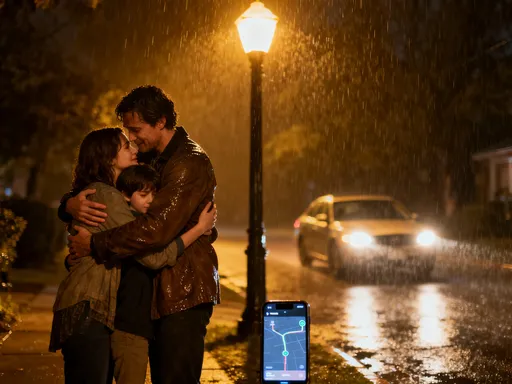
Traveling with loved ones should be joyful—not stressful. Yet, how many times have you waited anxiously at a pickup point, unsure when the car will arrive? Or worried about a teenager driving home late? I’ve been there too. I remember standing under a flimsy umbrella, rain soaking my shoes, watching every passing car hoping it was the one. My phone stayed silent. No updates. No answers. Just me, feeling helpless and frustrated. That night changed everything. It wasn’t just about the rain—it was about the lack of control, the constant guessing, the emotional weight of uncertainty. But everything shifted when I discovered how simple, real-time vehicle tracking could be. It’s not about surveillance—it’s about peace of mind, better coordination, and reclaiming time. This is the quiet tech upgrade that made our family’s journeys smoother, safer, and surprisingly more connected.
The Moment Everything Changed: A Rainy Night and a Missing Car
It was a Thursday evening, and I was supposed to pick up my sister from the train station. She’d been visiting for the weekend, and we planned to meet for dinner with the kids. I left the house early, thinking I had plenty of time. But when I got there, her train was delayed. No big deal, I thought. I’ll just wait. An hour passed. Then another text: "Running late, traffic is awful." I tried calling—no answer. My kids were getting restless in the back seat, asking when Auntie was coming. I didn’t know. I could picture her sitting in her car, stuck in gridlock, just as frustrated as I was. But there was no way to know where she was, how close she was, or if she was even on the road yet. I felt completely out of the loop. I remember saying to myself, "There has to be a better way." That moment sparked something in me. I started looking into how families could stay better connected during travel. I wasn’t interested in spyware or invasive tools—I wanted something simple, something respectful, something that gave us information without adding stress. That’s when I discovered real-time vehicle location sharing through everyday apps we already use. It wasn’t flashy. It wasn’t complicated. But it solved the exact problem I’d been facing. The next time my sister visited, she shared her location with me through her phone’s built-in feature. I watched her dot move steadily across the map, saw the estimated arrival time update in real time, and knew exactly when to leave the house. No more guessing. No more waiting in the cold. Just clarity. That rainy night became the turning point—not just for convenience, but for how our family thinks about being on the move.
Beyond GPS: Turning Progress Tracking into Peace of Mind
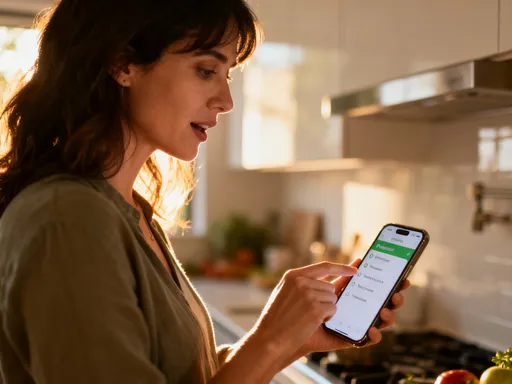
When most of us think about GPS, we think about getting directions from point A to point B. But today’s technology does so much more than just guide the way—it shows the journey as it happens. Real-time vehicle tracking isn’t about replacing maps; it’s about adding a layer of awareness that changes how we experience travel. Instead of wondering, "Are they on the road yet?" or "How much longer?" we can see the actual progress. That little moving dot on the screen might seem small, but it carries huge emotional weight. It turns uncertainty into certainty. It replaces anxiety with anticipation. I remember one evening when my husband was coming home late from work. The roads were icy, and I’d been checking the weather reports all night. Instead of calling him every 20 minutes to ask if he was okay, I simply opened the app and saw his car moving steadily down the highway. The estimated arrival time updated automatically as traffic changed. I didn’t have to bother him while he was driving. I could just see that he was safe and on his way. That small shift made a big difference in my stress level. And it’s not just for commutes. When my daughter had a school event across town, I shared my location with her so she’d know when I was close. No more frantic texts saying, "Where are you?!" No more rushing out too early and sitting in the parking lot for 30 minutes. I could time my arrival perfectly. This isn’t about micromanaging anyone’s time—it’s about respecting everyone’s schedule and reducing unnecessary worry. Modern tracking tools give us live updates, route visibility, and smart arrival predictions powered by real traffic data. They work silently in the background, only asking for attention when it matters. The best part? These features are already built into phones and cars we use every day. You don’t need special equipment or subscriptions. You just need to know how to use them thoughtfully.
Family on the Move: Keeping Everyone Connected Without the Chaos
Running a household feels like managing a small logistics company. Between school drop-offs, work commutes, grocery runs, and extracurriculars, it’s easy to feel like you’re always playing catch-up. I used to spend so much time on the phone: "Did you leave yet?" "Are you picking up milk?" "What time will you be home?" It wasn’t efficient, and it definitely didn’t help anyone feel more relaxed. But once we started using location sharing as a family tool, things changed. We didn’t make it mandatory or formal—just a gentle invitation. "Hey, if you’re heading home, feel free to share your location for the next hour." That small gesture made coordination effortless. When my teenage son started driving, I’ll admit—I worried. Not because I didn’t trust him, but because I’m his mom. The roads are busy, and distractions happen. Instead of calling him while he was driving (which I knew was dangerous), I asked if he’d be comfortable sharing his location during longer trips. He agreed. Now, when he’s coming back from a friend’s house late at night, I can glance at my phone and see that he’s moving, that he’s on the right route, that he hasn’t stopped unexpectedly. It’s not about watching him—it’s about knowing he’s okay. And the beauty is, he feels more independent because he’s not getting five check-in calls. He’s in control, and I’m at ease. For my partner, it’s been just as helpful. When he works late, I can see when he leaves the office and adjust dinner time accordingly. No more food getting cold or kids asking, "Is Dad coming?" We’ve also used it when borrowing each other’s cars. If my husband takes my SUV to run errands, I can see when he’s done and on his way back—perfect for timing my own next outing. This isn’t about surveillance. It’s about shared awareness. It’s about replacing nagging texts with quiet confidence. And honestly, it’s brought us closer. We feel more in sync, more supported, even when we’re apart.
Travel Made Simpler: From Airport Pickups to Road Trips
Family travel used to come with its own set of headaches. Whether it was picking someone up from the airport or planning a weekend road trip, there was always that element of guesswork. I remember waiting at the airport terminal for my cousin’s flight, only to find out her plane landed 45 minutes early—and she’d been sitting at baggage claim with two heavy suitcases, wondering where I was. I felt awful. I wasn’t ignoring her—I just didn’t know the flight had arrived early. Since then, we’ve started using real-time location sharing for all kinds of trips. When someone is flying in, we coordinate through messaging apps that allow temporary location sharing. As soon as they land and get to their car, they turn it on. I watch the dot move from the airport exit to the highway, and I leave the house at just the right time. No more sitting in the cell phone waiting area for an hour. No more missed calls. Just smooth, stress-free pickups. On road trips, it’s been a game-changer too. Last summer, we drove to the mountains with another family. Instead of constantly texting "Where are you?" or "Should we stop here?" we shared locations for the day. We could see when they were pulling into a rest stop or when they were running behind. If we wanted to grab lunch at the same place, we could time it perfectly. Even when we took separate cars on a hiking trail, we knew where everyone was without needing service. One of my favorite moments was watching my niece’s dot slowly make its way down a winding mountain road during a fall foliage drive. She was taking her time, enjoying the view. I didn’t feel anxious—I felt happy for her. The technology didn’t control the experience; it enhanced it. It gave us freedom to enjoy the journey without losing connection. And when we did meet up, there was no frustration, no waiting around—just warm hugs and shared stories. That’s the kind of travel memory I want to keep making.
How to Use It Right: Practical Tips Without the Overreach
Like any tool, location sharing works best when used with care and respect. The key is to introduce it as a convenience, not a requirement. I’ve learned that the way you ask matters. Instead of saying, "You need to share your location," try, "If you want, you can share your ride with me so I know when to expect you." It makes a big difference. We’ve also set simple boundaries in our family. Location sharing is usually time-limited—just for the drive, not all day. Most apps let you choose how long to share, so it feels temporary and purposeful. We don’t use it all the time—only when it makes sense, like during long drives, late-night returns, or travel days. Another tip: use the built-in features of apps you already trust, like Apple’s Find My or Google’s Location Sharing. These are secure, easy to turn off, and don’t require downloading anything new. And always respect when someone says no. This isn’t about control—it’s about care. I remember when my teenage daughter first started driving with friends. I wanted to know she was safe, but I didn’t want to embarrass her or make her feel watched. So instead of asking her to share her location directly, I suggested she let one of her friends share the group ride. That way, I could see the car moving without it feeling personal. She appreciated the trust, and I still had peace of mind. We’ve also made it a two-way street. I share my location just as often—when I’m running late, when I’m on my way to pick someone up, or when I’m traveling alone. It’s not a one-sided tool. It’s a shared practice. And because we use it lightly and with intention, it’s become a natural part of how we stay connected. The goal isn’t constant monitoring. It’s occasional clarity. It’s knowing that when it matters, we can see each other moving through the world—and that’s a comfort no text message can replace.
The Emotional Side of Technology: Feeling Closer, Even When Apart
Sometimes, the most powerful moments come from the simplest things. I’ll never forget watching my mother’s dot slowly approach my house the day after her surgery. She wasn’t supposed to drive, but she lived alone and insisted on coming home from her follow-up appointment. I was nervous. But when she turned on location sharing, I could see her moving steadily, stopping at red lights, taking her time. I didn’t call. I just watched. And somehow, seeing that little symbol move across the map made me feel like I was with her. It wasn’t magic. It wasn’t fancy. But it was deeply comforting. That’s the emotional side of this technology—the quiet reassurance that someone you love is on their way, that they’re safe, that they’re okay. It’s the opposite of loneliness. It’s connection, made visible. I’ve felt it when my son leaves for college—he shares his drive back home during breaks, and I watch his progress like a countdown to reunion. I’ve felt it when my sister drives through a snowstorm, and I see her car inching forward, steady and safe. These moments don’t replace conversation or hugs, but they add a layer of emotional safety. They reduce the background hum of worry that so many of us carry as parents, partners, and caregivers. And for me, that’s priceless. Technology often gets blamed for pulling us apart, for making us distracted or disconnected. But this? This brings us closer. It doesn’t replace real presence—it supports it. It lets us care without hovering. It lets us love from a distance without feeling helpless. In a world that often feels fast and unpredictable, having a small window into someone’s journey is a gift. It’s not about control. It’s about care. And sometimes, that little dot on the screen is the closest thing to a heartbeat we can see.
A Smarter, Calmer Way to Move: Why This Small Change Matters
Looking back, I’m amazed at how one small feature—a simple location dot—could make such a big difference in our family life. It didn’t require a new gadget, a steep learning curve, or a big expense. It just required a shift in mindset. Instead of seeing technology as something that complicates life, I started seeing it as something that could quietly support it. This change didn’t make us perfect. We still have late arrivals, traffic jams, and forgotten errands. But what it did was remove the unnecessary stress around movement. We’re not guessing anymore. We’re not worrying in the dark. We’re not making dozens of calls just to check in. We have more time, more patience, and more presence for what really matters—each other. And that, to me, is what good technology should do. It shouldn’t shout. It shouldn’t overwhelm. It should simply help you breathe easier. It should give you back moments of calm in a busy day. It should make love a little easier to express, even when you’re miles apart. I encourage you to try it—not as a tool of control, but as an act of care. Start small. Share a ride with your partner. Let your teen know you’ll be watching the map, not their every move. Use it during your next family trip. See how it feels. You might be surprised at how something so simple can bring so much peace. Because in the end, it’s not about the technology. It’s about the people. It’s about knowing they’re on their way. It’s about feeling connected, even when life pulls you in different directions. And sometimes, that’s enough to make all the difference.