I’ll sleep when I’m less stressed — How a sleep app quietly fixed my spending habits
You know that moment when you lie awake at 2 a.m., not just tired but tense—your mind racing about bills, impulse buys, or that subscription you forgot to cancel? I’ve been there. What I didn’t expect was that the app I downloaded to finally sleep better would also help me understand my spending patterns. It wasn’t magic—it was design. This is the story of how better sleep led to smarter choices, and how technology, when it truly fits into life, can gently guide us toward calm, clarity, and control. And if you’ve ever felt like your brain won’t shut off at night, especially about money, this might just change how you see both rest and responsibility.
The Nighttime Spiral: When Stress Keeps You Awake (and Spending)
It started with the little things. A $12 coffee here, an online order there—just small comforts, I told myself. But then I’d lie awake at night, heart pounding, replaying the charges in my head. Why did I buy that dress I don’t need? Did I really use that gym membership? What if the car needs repairs and I’ve already overspent this month? These weren’t just financial questions. They were emotional echoes of guilt, regret, and a quiet fear: What if I’m not doing this right? I wasn’t alone. So many of us—especially those of us managing homes, families, and budgets—carry this invisible weight. We’re not reckless. We’re tired. And when you’re exhausted, decision-making gets fuzzy. That’s when the late-night scroll turns into a shopping spree. That’s when ‘I’ll think about it tomorrow’ becomes ‘I already bought it.’
What I didn’t realize then was that I was stuck in a cycle: stress → poor sleep → poor decisions → more stress. Financial anxiety doesn’t just live in bank statements. It lives in your body, in the tightness of your shoulders, in the way your breath catches when you open your email and see a bill reminder. And for me, it peaked between 11 p.m. and 2 a.m., when the house was quiet, the kids were asleep, and my mind finally had space to panic. I’d try to calm down by watching something soothing—or so I thought. But more often than not, I’d end up on shopping sites, just browsing. ‘Window shopping online’ felt harmless. But it wasn’t. It kept my brain alert. It fed the anxiety. And it made falling asleep even harder. I wasn’t relaxing. I was rehearsing regret.
The irony? I was trying to escape the stress, but my coping mechanism was making it worse. And this wasn’t just about willpower. Science shows that sleep deprivation affects the prefrontal cortex—the part of your brain responsible for judgment, impulse control, and long-term planning. When you’re tired, you’re more likely to choose immediate comfort over long-term gain. That’s why we reach for takeout when we’re drained, why we skip the gym after a rough night, and yes—why we click ‘buy now’ on things we don’t really want. My late-night spending wasn’t a character flaw. It was a symptom. And the real problem wasn’t my budget. It was my bedtime.
Downloading Calm: Why I Tried a Sleep Improvement App
I didn’t download the app because I wanted to optimize my life. I did it because I was desperate. I was tired of waking up groggy, tired of feeling like I was running on fumes by 9 a.m. I’d tried everything—herbal tea, meditation apps, even those weirdly aggressive productivity trackers that made me feel worse. What I needed wasn’t another task. I needed permission to slow down. That’s when I found the sleep app. It didn’t promise superhuman focus or early-morning workouts. It promised something quieter: a better night’s rest, one gentle step at a time.
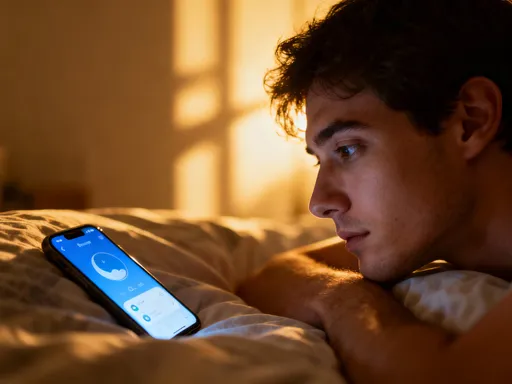
The first thing I noticed was how kind it felt. No harsh timers, no judgmental notifications. Just soft voices, calming sounds, and a simple question: What would help you wind down tonight? I could choose a five-minute breathing exercise, a short gratitude reflection, or just a quiet playlist of piano music. There were no points to earn, no streaks to maintain. It didn’t scold me for going to bed late. It just… showed up. And slowly, something shifted. I started looking forward to bedtime. Not because I was suddenly full of energy, but because I knew it wouldn’t be a battle. The app created a ritual. I’d dim the lights, open the app, and let my shoulders drop. It wasn’t just about sleep. It was about creating a moment of peace in a day that often felt too full.
Over time, the consistency began to matter. I wasn’t sleeping eight hours every night, but I was sleeping better. My mind wasn’t racing as much. I wasn’t lying there replaying every small mistake from the day. And that’s when I noticed something unexpected: I wasn’t thinking about money as much at night. The panic wasn’t gone, but it was quieter. I started to wonder—was the app doing more than help me sleep? Was it helping me think more clearly, too?
The Unexpected Insight: Sleep Data That Revealed My Spending Triggers
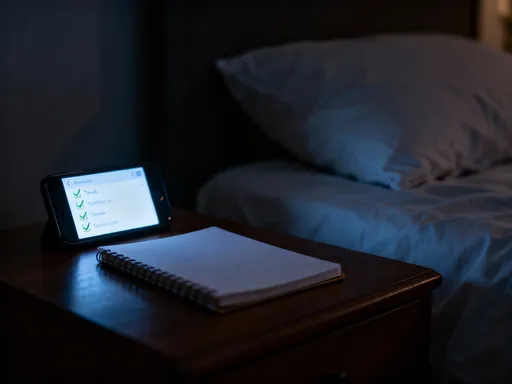
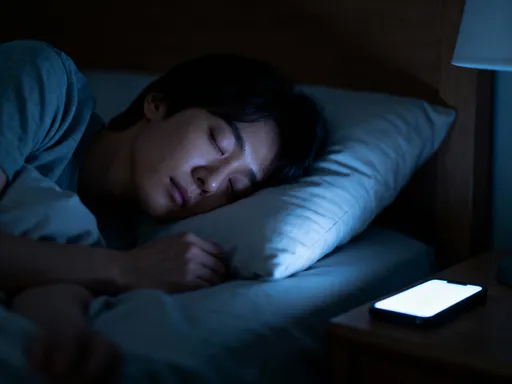
About three weeks in, I started using the app’s journal feature. Every night, it asked, ‘What’s on your mind?’ I’d type a few words—‘work stress,’ ‘kid’s school project,’ ‘need to call the dentist.’ But then, one night, I wrote: ‘I shouldn’t have spent that on Amazon.’ The next night: ‘Forgot to cancel the trial. Ugh.’ A few nights later: ‘Worried about the credit card bill.’ I didn’t think much of it at first. But when I looked back at my entries, I saw a pattern. On nights when I struggled to fall asleep, my thoughts were flooded with financial guilt. And those nights almost always followed a late screen session—usually after 10 p.m., often with my phone in bed.
Here’s the thing: the app didn’t track my spending. It didn’t sync with my bank. It didn’t give me budgeting tips. But it gave me something more valuable: awareness. By simply asking how I felt, it helped me connect the dots. Poor sleep wasn’t just a result of financial stress. It was also a trigger for it. When I was tired, I was more likely to shop online to distract myself. And when I shopped late at night, I slept worse. It was a loop—and I was caught in it. But now, for the first time, I could see it. And when you can see a pattern, you can start to change it.
I began to notice the moments when I reached for my phone not because I needed it, but because I was avoiding something—boredom, loneliness, fatigue. And more often than not, that’s when I’d end up on a shopping site. The app didn’t stop me. But it gave me a pause. Before opening my browser, I’d hear that little voice in my head: What’s on your mind? And sometimes, just asking that question was enough to stop me. I didn’t need a budget spreadsheet. I needed a moment of honesty. And the app created space for that.
Smarter Nights, Clearer Days: How Better Sleep Changed My Financial Mindset
After about six weeks of consistent use, something shifted in my days, not just my nights. I started making calmer decisions. I’d see an ad for a sale and think, Do I really need this? Can I wait 24 hours? And often, I’d wait—and realize I didn’t want it after all. I began reviewing my bank statements in the morning with a cup of tea, instead of late at night in a panic. And because I was more rested, I could actually think through my spending. I canceled three subscriptions I wasn’t using. I set up a small emergency fund. I even started meal planning to reduce takeout costs. None of these were huge changes. But together, they added up.
What surprised me most was how much easier it felt. I wasn’t forcing myself. I wasn’t white-knuckling my way through willpower. It was like my brain finally had bandwidth. When you’re well-rested, you’re not just more alert. You’re more emotionally stable. You’re less reactive. You can step back and ask, Is this what I really want? or Is this aligned with my goals? That mental clarity is priceless—especially when you’re managing a household, making decisions for your family, and trying to stay on top of everything. Sleep didn’t fix my finances. But it gave me the mental space to fix them myself.
And here’s the beautiful part: the changes weren’t just financial. I was more patient with my kids. I had more energy for hobbies. I even started going for walks again. It was like one small shift—better sleep—had created a ripple effect. I wasn’t just saving money. I was reclaiming my sense of control. And that, more than any dollar amount, was the real win.
Design That Cares: How the App Facilitated Better Habits Without Judgment
So why did this app work when others hadn’t? It wasn’t the features. It was the tone. Most apps—especially finance apps—feel like report cards. Red numbers, warning icons, messages like ‘You’re over budget!’ That kind of feedback might work for some, but for me, it just made me feel worse. I didn’t need more pressure. I needed support. This sleep app was different. It never shamed me. It never made me feel like I’d failed. If I skipped a night, it didn’t nag me. It just said, ‘Welcome back. Ready to unwind?’
The language was gentle. The reminders were soft. Even the colors were calming—soft blues and warm grays, not bright reds or aggressive alerts. And the journal prompts weren’t about fixing anything. They were about noticing. How are you feeling? What’s on your mind? What would help you relax? These questions created a safe space for honesty. I could admit, even to myself, that I was anxious about money—without fear of judgment. And that honesty was the first step toward change.
What’s powerful about this kind of design is that it meets you where you are. It doesn’t assume you’re failing. It assumes you’re trying. And it gives you tools to do a little better, without making you feel like you’re not enough. That’s rare in tech. Most tools are built for efficiency, not empathy. But this one felt like it understood life—the messy, emotional, beautiful reality of being a person trying to do their best. And in that space, real change became possible.
Linking Routines: Building a Loop of Rest and Responsibility
Once I saw the connection between sleep and spending, I wanted to make it part of my routine. The app allowed me to create custom wind-down sequences, so I added a five-minute ‘spending reflection’ after my journal entry. It wasn’t about budgeting in detail. It was just one question: What’s one financial decision I made today? Did it feel right? Sometimes the answer was simple: ‘I packed lunch instead of buying. Felt good.’ Other times: ‘I almost bought shoes online. I waited. Glad I did.’
This tiny habit didn’t take much time, but it made a big difference. It helped me stay aware without feeling overwhelmed. And because it was tied to my bedtime routine, it felt natural—not like another chore. I wasn’t ‘managing my finances’ in some formal way. I was just checking in with myself. And over time, that small pause helped me build better instincts. I started noticing patterns: I was more likely to overspend when I was tired, when I was lonely, or when I felt like I ‘deserved’ a treat. Seeing those triggers didn’t make them disappear, but it gave me power. I could choose differently.
If you want to try this, start small. Pick one quiet moment—maybe after brushing your teeth or before turning off the light—and ask yourself one gentle question about your day’s choices. You don’t need an app, though it can help. You just need a little space to reflect. And don’t aim for perfection. Aim for awareness. That’s where change begins.
More Than Sleep: Gaining Control, One Night at a Time
Looking back, I realize the app didn’t ‘fix’ anything. It didn’t erase my financial worries or magically give me more money. What it did was create a rhythm—a daily practice of slowing down, tuning in, and showing up for myself. And in that space, I found clarity. I found calm. I found a little more confidence in my choices. The money part? That followed. When I stopped treating myself like a problem to be solved, I became someone capable of growth.
This journey taught me that technology doesn’t have to be flashy or intense to be powerful. Sometimes, the most transformative tools are the quiet ones—the ones that don’t demand your attention but gently hold space for it. They don’t shout. They whisper. And if you’re tired of feeling out of control, if you’re lying awake at night worrying about money, maybe the answer isn’t another budget app or a harsh self-discipline plan. Maybe it’s simply this: rest first. Clarity will follow. Because when you’re not running on empty, you can finally see the path forward. And that, my friend, is worth every peaceful night.