What If Your Phone Could Finally Understand What You Actually Need?
Remember that frustrating moment when you’re racing through the grocery store, list in hand, only to realize your phone’s app isn’t syncing, your coupons vanished, and you’ve just bought soy sauce you already had at home? I’ve been there—more times than I’d like to admit. But recently, something shifted. My phone stopped feeling like a tool I had to manage and started feeling like it was finally with me—anticipating needs, simplifying errands, and quietly making my daily life smoother. It wasn’t magic. It was smarter local tech, working in the background, just when I needed it. And honestly, it’s changed the rhythm of my days in ways I never expected.
The Daily Chaos: When Technology Feels Like Another Chore
Let’s be real—technology was supposed to make life easier, right? But sometimes, it feels like we’re the ones serving our devices instead of the other way around. I used to carry three different apps just to keep track of groceries: one for the list, another for digital coupons, and a third for delivery tracking. And still, I’d end up standing in the baking aisle, squinting at my screen, trying to remember if we were out of vanilla extract. Or worse—coming home with two bottles because the app didn’t update across my phone and tablet. Sound familiar?
It wasn’t just groceries. Between school pickup reminders, pharmacy refills, and last-minute dinner plans, my phone felt like a never-ending to-do list with no off switch. I’d get a notification from my meal-planning app at 2 p.m., only to realize I’d already bought the ingredients two days ago. Or my calendar would remind me about a delivery window that had already passed because the alert didn’t sync with my location. These weren’t small hiccups—they were constant little frictions that piled up into real stress. I started to wonder: why does something designed to help me save time end up stealing my peace of mind?
And it wasn’t just me. Last week, my friend Lisa told me she’d accidentally ordered toilet paper three times in one month because each app sent a reminder, but none talked to each other. We laughed, but it was that kind of tired laugh—the one that says, “I’m doing my best, but the system isn’t helping.” That’s when it hit me: the problem wasn’t that we weren’t organized. The problem was that our tools weren’t working together. They were like well-meaning but disconnected helpers, each shouting their own version of what we needed, without listening to the bigger picture.
This is where so many of us are stuck—drowning in digital convenience that somehow makes life more complicated. We download apps to simplify, but end up spending more mental energy managing them than they save. It’s exhausting. And the emotional toll? It’s real. That low hum of anxiety when you’re not sure if you remembered everything. The guilt when you forget your sister’s birthday because the reminder didn’t pop up. The frustration when you’re standing in line, realizing your digital loyalty card isn’t loading. These moments chip away at our sense of control. But what if it didn’t have to be this way?
A Small Shift That Made a Big Difference
The change didn’t come from a new phone or some futuristic gadget. It came from finally updating the way I used the tools I already had. One quiet Sunday morning, while sipping tea and scrolling through my settings, I noticed a small toggle: “Allow apps to share information for a smoother experience.” I’d seen it before and ignored it, worried about privacy or things getting even more chaotic. But this time, I thought, “What if I just tried it?”
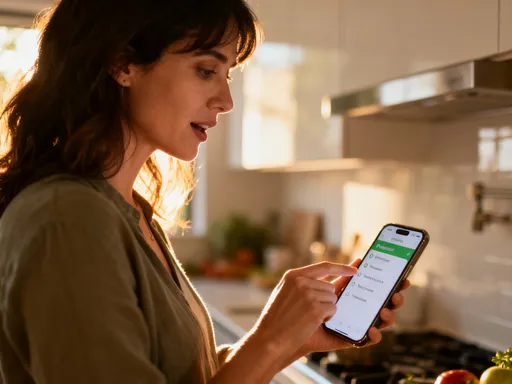
I enabled cross-app syncing between my grocery list, calendar, and local store app. I set up automatic reminders based on my shopping history. And within days, something remarkable happened: my phone started feeling like it *knew* me. Not in a creepy way—but in the way a good neighbor might remember you’re out of milk because they saw you carrying empty cartons last week. For example, I kept forgetting almond milk. It wasn’t on my regular list, but I’d buy it every 10 days or so. Now, my app notices the pattern and sends a gentle nudge: “You’re usually low on almond milk around now. Add to cart?”
That tiny alert saved me more than just a trip back to the store. It saved me the mental load of remembering. And that’s the real win—not the feature itself, but what it frees up in your mind. It’s like clearing a drawer full of tangled cords. You don’t realize how much space it was taking up until it’s gone. Suddenly, I wasn’t thinking about groceries as much. I wasn’t double-checking lists or stressing about expired coupons. The system was doing the remembering, so I could focus on other things—like actually enjoying dinner instead of worrying if I’d forgotten the garlic.
Another game-changer? Real-time updates. Last week, I was on my way to pick up a prescription, and my pharmacy app sent a notification: “Your order is ready, and the line is shortest between 4:15 and 4:45 p.m.” I adjusted my route, got there in three minutes, and was out before the next person walked in. No waiting. No guessing. Just right-time information that fit my life. That’s the kind of small win that adds up. It’s not flashy, but it’s deeply satisfying. And the best part? I didn’t have to learn a new app or memorize a bunch of steps. I just said yes to letting my tools talk to each other.
How My Phone Learned to “Get” Me
It sounds almost too good to be true, right? But the truth is, your phone doesn’t need to be “smart” in the sci-fi sense to feel intuitive. It just needs to pay attention. Modern local apps aren’t just following commands—they’re learning from your habits. Think of it like this: if you always stop at the same coffee shop on Tuesday mornings, your phone can start suggesting it when you leave the house. Not because you told it to, but because it noticed.
This isn’t about surveillance. It’s about permission. When you allow your apps to use location, purchase history, and timing in a responsible way, they can offer help that feels personal, not invasive. For example, I set up a location-based reminder: when I’m within a mile of the grocery store, my phone asks, “Want to check your list before going in?” No more walking in blind. And if I’m running late picking up my nephew from soccer, I can say, “Hey, send a message to Mom that I’m five minutes away,” and it does—without me touching my phone. That’s the kind of hands-free, stress-free support that makes a real difference.
Setting this up wasn’t complicated. I went into my phone’s privacy settings and chose which apps could share data. I picked just a few—my grocery app, my calendar, and my local pharmacy. I didn’t give everything access—just enough so the ones that matter could work together. Then, I spent ten minutes customizing notifications. I turned off the ones that felt pushy (“Buy now!”) and kept the helpful ones (“Your weekly produce box is ready for pickup”). It’s like training a helpful assistant: you show them what matters, and they adapt.
The more I used it, the better it got. My meal-planning app started suggesting recipes based on what I already had at home. If I bought chicken on Monday, it would recommend a stir-fry on Wednesday, with a note: “You’ll need broccoli and soy sauce—both on sale this week.” That kind of smart suggestion saves time, money, and decision fatigue. And because it’s based on real patterns—not random ads—it feels trustworthy. It’s not trying to sell me something. It’s trying to help me live better.
Real-Life Wins: From Grocery Runs to Family Dinners
The real test of any tech is whether it improves your actual life—not just your screen time. And I’ve seen real changes. Take last Thursday: I was juggling a work call and helping my niece with homework when my delivery app pinged: “Your order will arrive in 12 minutes—adjust dinner time?” I quickly replied, “Yes, delay by 15,” and it automatically updated my calendar and sent a text to my sister: “Dinner’s pushed to 6:15. Soup’s warming!”
That small interaction saved us from chaos. No missed deliveries. No cold food. No frantic texts. Just a smooth adjustment, handled quietly in the background. And my sister texted back: “You’re a lifesaver.” But honestly? The tech was the lifesaver. I just set it up once and let it work. Another win: automatic refills. I used to forget paper towels until we were down to the last sheet. Now, my app tracks usage and asks, “Ready to reorder?” every few weeks. I click yes, and it’s done. No thinking. No running out.
Shared lists have been a family game-changer. My sister and I both edit the same grocery list. When she adds eggs, I see it instantly. When I buy almond milk, it disappears from her view. We don’t have to call or text to coordinate. It’s like we’re in the same kitchen, even when we’re miles apart. Last week, she added “birthday candles” for my mom’s party, and I grabbed them without a second thought. Little things like that build connection. They make life feel more in sync, more supported.
And then there’s the waste reduction. I used to throw out veggies because I forgot I had them. Now, my app sends a friendly alert: “You have bell peppers expiring in two days. Try this recipe?” with a link to a stir-fry idea. I’ve cut food waste by nearly half, and my grocery bill has gone down too. That’s not just good for my wallet—it’s good for my peace of mind. I’m not wasting food. I’m not rushing to use things up. I’m cooking with intention, not panic.
Taking Back Control—Without the Learning Curve
I know what you might be thinking: “This all sounds great, but I’m not tech-savvy. I don’t have time to figure out settings and permissions.” I felt the same way. But here’s the truth: this isn’t about becoming a tech expert. It’s about making a few small choices that add up to a calmer, more organized life. And it doesn’t have to happen all at once.
Start with one app. Maybe it’s your grocery list. Check if it offers syncing across devices. Turn it on. Then, see if it connects with your calendar or local store. Most modern apps have simple setup guides—just follow the prompts. You don’t need to understand how it works. You just need to say yes to the right permissions. And if you’re worried about privacy, you’re not alone. I was too. But I realized: I’d rather share a little data with apps I trust than spend hours managing chaos. The key is choosing which apps get access. I only allow it for things that directly support my daily life—groceries, prescriptions, family coordination.
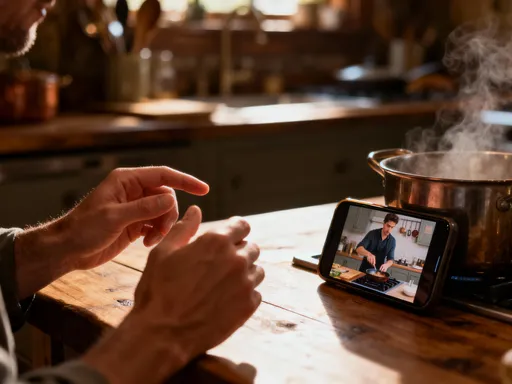
Voice commands have been a quiet revolution. I don’t even look at my phone anymore to add things to my list. If I’m cooking and realize we’re out of olive oil, I just say, “Hey, add olive oil to the grocery list,” and it’s done. No stopping. No forgetting. My sister laughs at me because I talk to my phone like it’s a roommate, but honestly? It works. And the best part is, I didn’t have to learn anything new. It was already built in. I just started using it.
Notifications are another area where a little tweaking goes a long way. I used to get bombarded—“Sale ends in 2 hours!” “You haven’t opened this app in 3 days!” Now, I only allow alerts that are truly helpful: delivery updates, low-stock reminders, and time-sensitive offers. I turned off the rest. It’s like cleaning out your email inbox—suddenly, the important stuff stands out. And because I’m not distracted by noise, I actually pay attention when something important comes through.
Beyond Convenience: How This Changed My Days
The biggest change isn’t in my grocery list or delivery times. It’s in my head. With fewer small worries—Did I remember the soap? Is the prescription ready?—I have more mental space. And that space has given me back something precious: time to breathe. I’m reading more. I started a small garden on my balcony. I’ve even taken up watercolor painting—something I always said I’d do “when I had time.”
But it’s not just about hobbies. It’s about presence. Last weekend, I was able to sit with my mom for an hour without checking my phone once. No grocery list anxiety. No delivery tracking. Just us, talking and laughing. That moment felt like a gift. And it was made possible because my tools were quietly doing their job in the background, so I didn’t have to.
I’ve also noticed I’m more patient—with myself and others. When you’re not running on mental fumes, you have more grace to give. I’m not snapping at my nephew when he forgets his homework. I’m not rushing my sister off the phone. I’m more present in conversations, more open to connection. That’s the quiet power of this shift: it’s not just about efficiency. It’s about creating space for what matters.
And here’s something I didn’t expect—my confidence has grown. I feel more in control of my days. Not because I’m doing more, but because I’m managing less. I trust my system. I trust that if something important comes up, I’ll know. That sense of calm certainty is priceless. It’s the kind of confidence that doesn’t come from being busy, but from being supported.
A Smarter, Calmer Life—One Small Tap at a Time
At the end of the day, technology shouldn’t make us feel behind. It should help us keep up—with our lives, our families, our goals. What’s changed for me isn’t about the apps or features. It’s about the feeling: that my phone is no longer a source of stress, but a quiet partner in my daily rhythm. It remembers so I don’t have to. It adjusts so I don’t have to scramble. It supports me in ways that feel natural, not forced.
And the best part? You don’t need a new device or a tech degree to start. You just need to take one small step. Maybe it’s turning on syncing for your grocery app. Maybe it’s setting up a voice command. Maybe it’s just deleting the notifications that don’t serve you. Each tiny choice adds up to a life that feels more in sync, more manageable, more yours.
I used to think smart technology was for someone else—someone younger, faster, more plugged in. But now I see it differently. It’s for anyone who wants a little more ease, a little more time, a little more peace. It’s not about chasing the future. It’s about making today a little better. And honestly? That’s the kind of tech I can believe in. Not flashy. Not perfect. Just quietly, reliably, on your side—so you can focus on living, not managing.